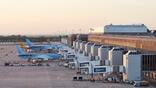
Visual impression of Schiphol in 2050
Amsterdam Airport Schiphol has unveiled a €10 billion ($11.5 billion) investment program through 2035 and a long-term master plan running to 2050 that centers on building a new terminal.
The proposed Terminal South is designed to preserve the airport’s single-terminal concept while adding space to improve passenger flow, relieve congestion and enable reconstruction of older infrastructure. The plan also calls for opening Pier A in 2027 and renovating Piers B, C, D and H/M to support larger, quieter and more fuel-efficient aircraft.
Schiphol says its future strategy rests on “quality and balance,” focused on improving the passenger experience, upgrading working conditions, strengthening airline operations, and reducing environmental and noise impacts.
KLM called the proposals “vital to ensuring the airline can continue to provide excellent service to passengers and maintain strong connections between the Netherlands and the rest of the world.”
The carrier has signed a letter of intent to relocate catering and cargo activities and vacate the Topside office building, with relocation compensation to be reinvested in new facilities. But KLM also warned that “Schiphol’s continued appeal depends on its ability to reduce costs for both travelers and airlines.”
Beyond the new terminal, Schiphol plans major upgrades to lounges, shops and seating areas, as well as improved surface access including a proposed metro line linking Amsterdam, Schiphol and Hoofddorp. The airport says that expanded access is needed to improve resilience and manage peak demand as modernization proceeds.
Additionally, environmental and noise commitments form a central pillar of the strategy. Schiphol aims to cut its own scope 1, 2 and part of scope 3 CO₂ emissions by 90% by 2030 through electrification of ground vehicles, elimination of natural gas in buildings, expanded fixed electrical ground power and pre-conditioned air units across all gates, and construction of new buildings to high sustainability standards.
Noise abatement also remains a key priority. Schiphol said the share of operations flown with the quietest aircraft categories has risen to 33%, up from 23% a year earlier, following revised airport charges that favor newer, quieter types. The airport forecasts 476,800 aircraft movements for the year ending Oct. 31, 2026—in line with the Dutch government’s newly imposed 478,000-movement cap.
The investments come as Dutch aviation taxes are set to rise sharply from 2027, potentially exceeding €70 per long-haul ticket. Airlines have warned that the increases could push more passengers to nearby airports in Belgium and Germany.
Schiphol also says it intends to strengthen the wider Dutch airport system, supporting planned investments at Eindhoven and Rotterdam The Hague, opening Lelystad Airport for civil aviation, securing capacity at Maastricht, and exploring opportunities at airports near the Dutch border. The airport’s 2025-35 strategy also includes selective international investments through Royal Schiphol Group.

Related Content