
Boeing Gears Back Up
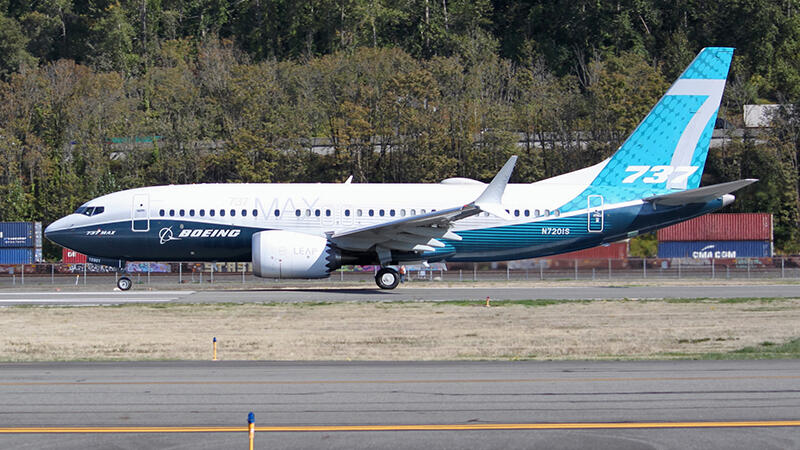
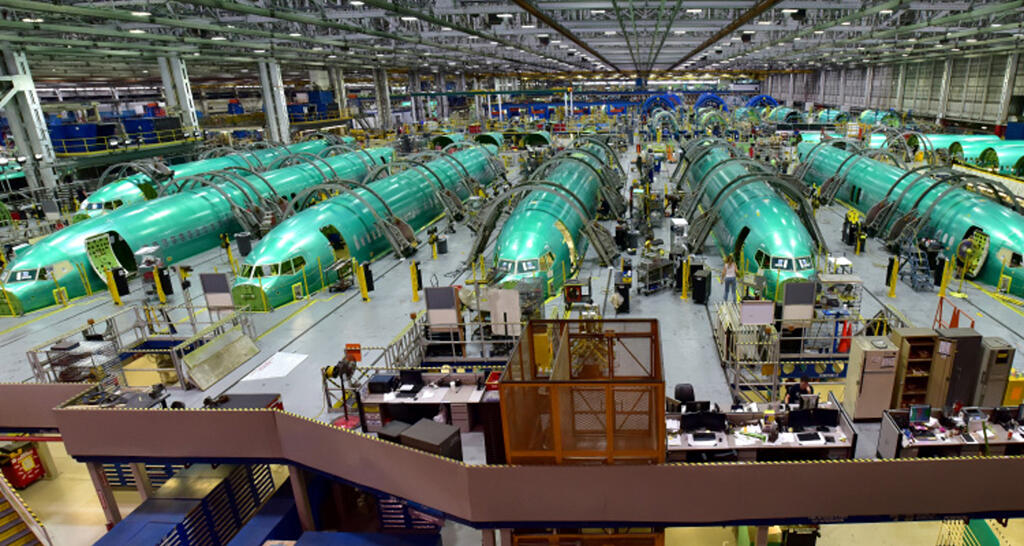
As Boeing’s recovery made progress, the FAA approved a hike in 737 MAX production, to 42 from the 38-a-month rate cap imposed in January 2024 after the Alaska Airlines door-plug blowout. Boeing also completed a 737 inlet anti-ice redesign, clearing the way for -7 and -10 certification in 2026. But 777-9 certification was delayed, pushing first deliveries into 2027.
Emirates Thinks Big
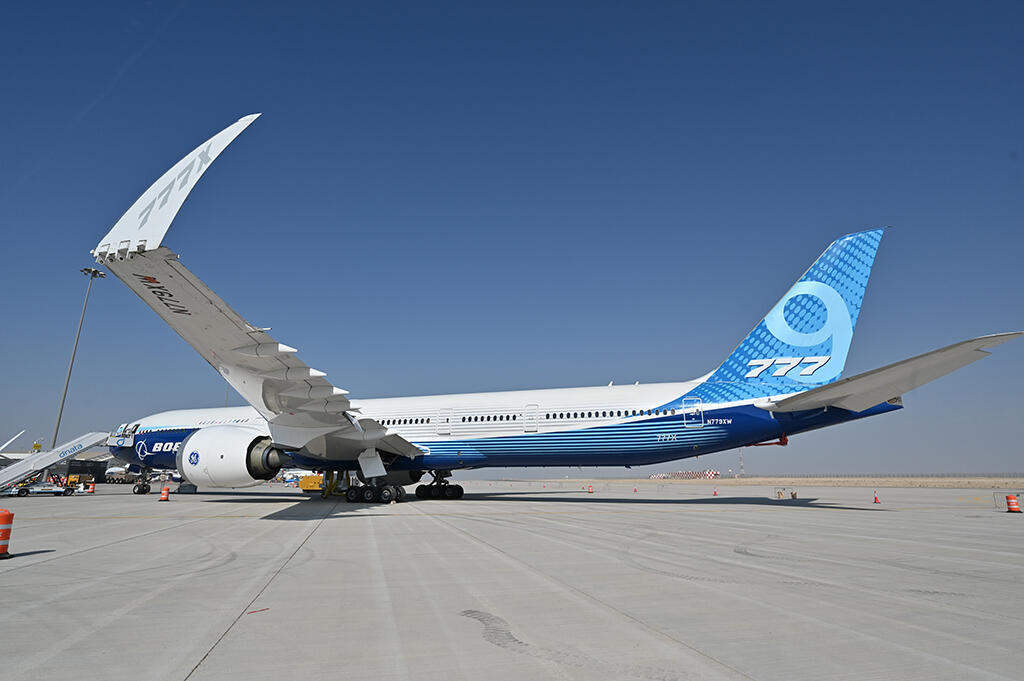
At the Dubai Airshow in November, Emirates Airline ordered 65 more Boeing 777-9s, taking its planned fleet to 270—almost half of the backlog for the delayed widebody. Emirates Airline CEO Tim Clark also publicly pressured Boeing to develop a stretched “777-10” and Airbus to launch a larger “A350-2000.”
Embraer Breaks Through
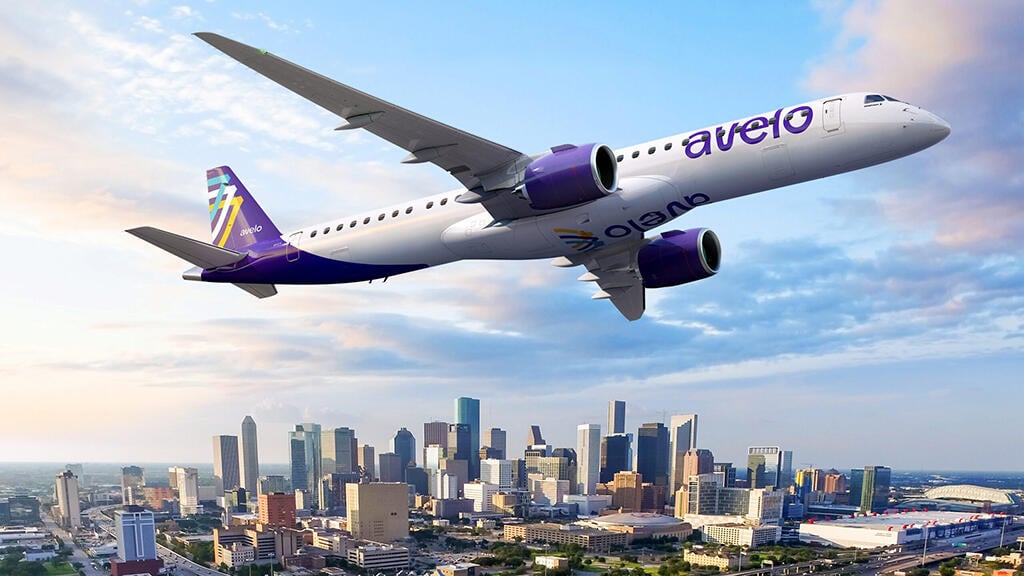
Embraer secured its first U.S. customer for its E-Jets E2 family in September, when low-cost carrier Avelo Airlines ordered 50 E195-E2s, with purchase rights for 50 more. The deal was part of a sales boom for the Embraer airliner family in 2025, with 154 orders placed by the end of October.
JetZero Advances BWB
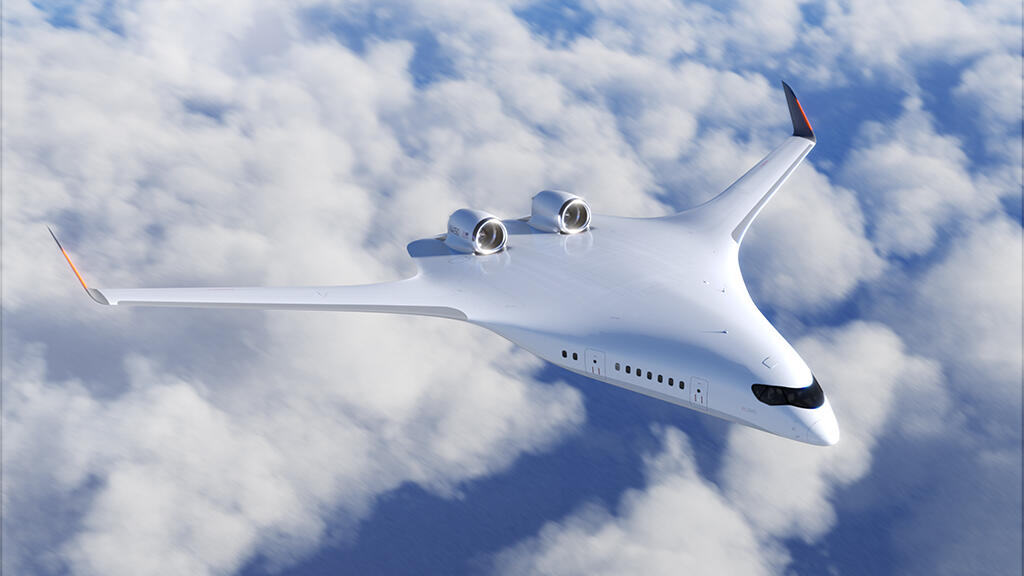
JetZero announced plans in June to build a facility in Greensboro, North Carolina, to produce 250-passenger Z4 blended wing body aircraft. The U.S. startup secured an investment from United Airlines in April, including a conditional purchase agreement for 100 aircraft plus 100 options. JetZero also partnered with Delta Air Lines, joining the U.S. carrier’s Sustainable Skies Lab.
SkyWest Backs Maeve Jet
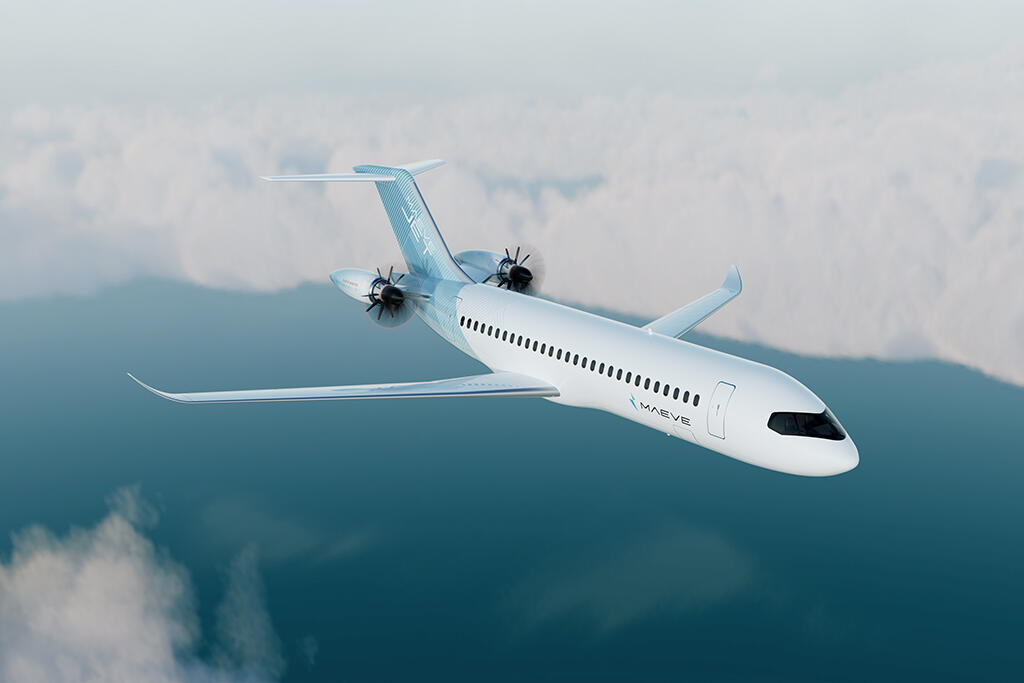
Dutch startup Maeve Aerospace unveiled its redesigned MJ500 regional aircraft in June, a 76-100-seater with hybrid-electric open-fan engines reducing fuel consumption and emissions 40% relative to existing regional jets. U.S. regional airline SkyWest invested in Maeve, securing launch customer rights, and Delta Air Lines and Japan Airlines partnered with the startup to guide MJ500 development.
Riyadh Air Takes Flight
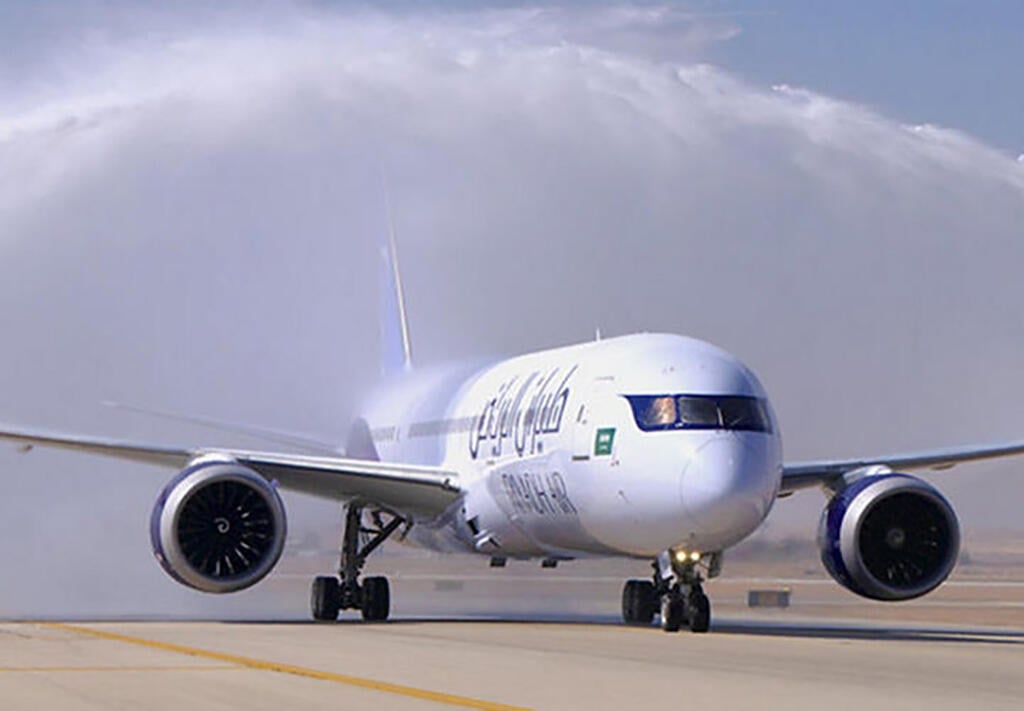
Riyadh Air, Saudi Arabia’s second flag carrier, began operations on Oct. 26 with daily launch flights to London Heathrow Airport using its first Boeing 787-9. The airline is owned by the country’s Public Investment Fund and has orders and options for 72 787-9s, 50 Airbus A350-1000s and 60 A321neos.
Sustainability Slowdown
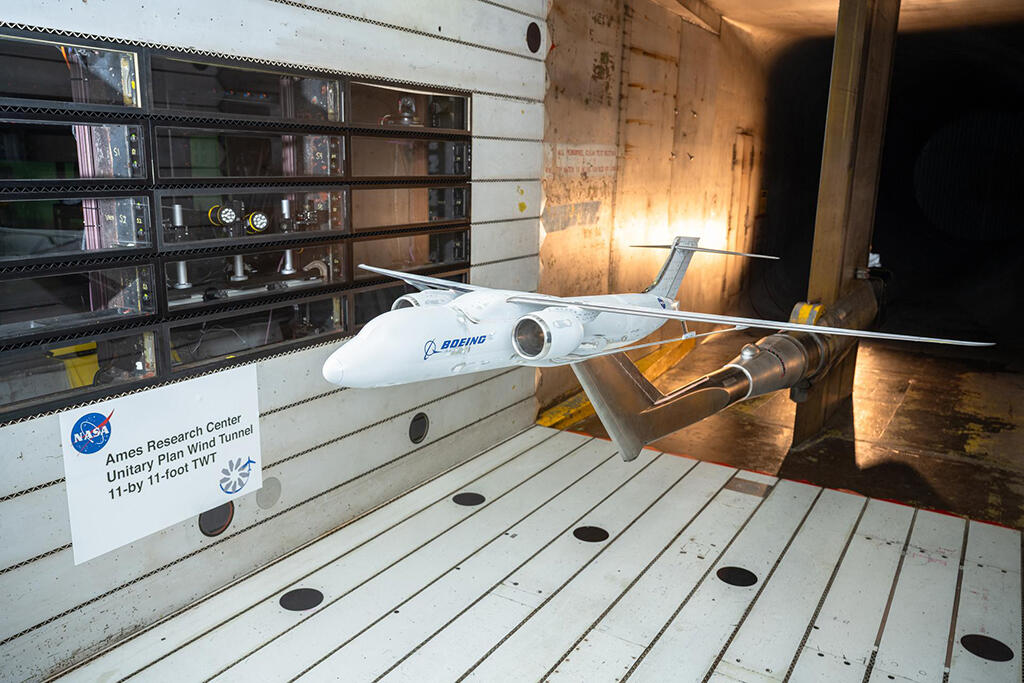
Sustainability projects suffered setbacks in 2025. Boeing and NASA dropped plans to fly the X-66 transonic truss-based wing demonstrator in favor of a ground-based thin-wing demo. Airbus delayed its ZEROe hydrogen-powered airliner to the 2040s, and ATR delayed a hybrid-electric regional to 2035 but is to fly a demonstrator in 2030 under Europe’s Clean Aviation research program.
Russia Flies Replacements
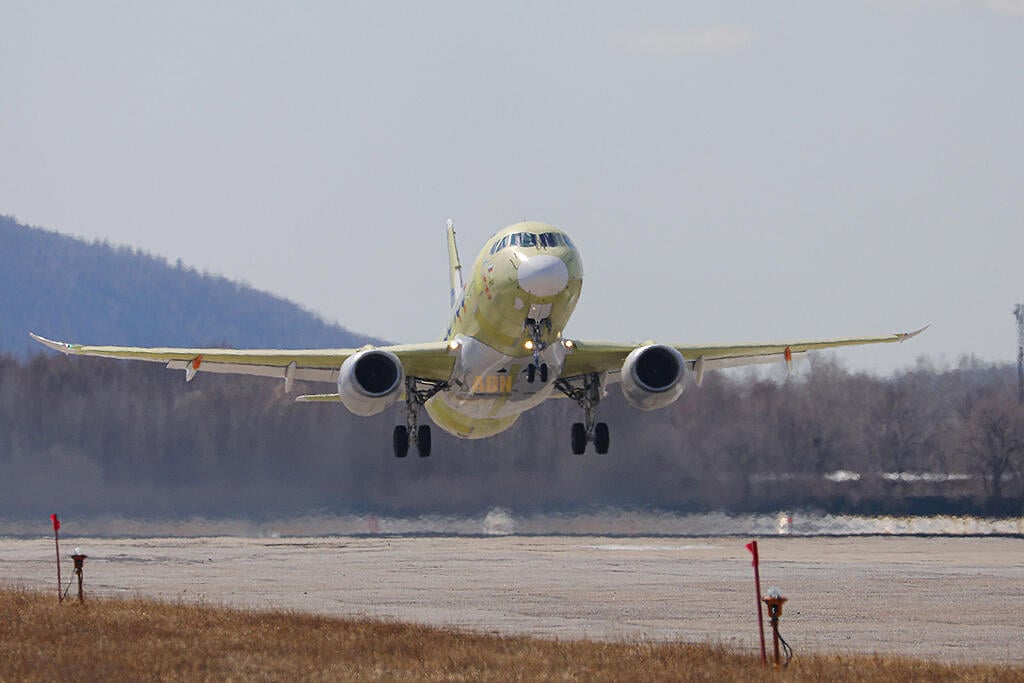
Yakovlev flew the first import-substituted SJ-100 regional jet, with Russian components, systems and Aviadvigatel PD-8 turbofans, in March, followed in April by the first embargo-avoiding MC-21 narrowbody, with PD-14 engines. Certification of the modified SJ-100 was expected by the end of 2025, but approval for the MC-21-310 has been delayed to the end of 2026.
Boom Goes Supersonic
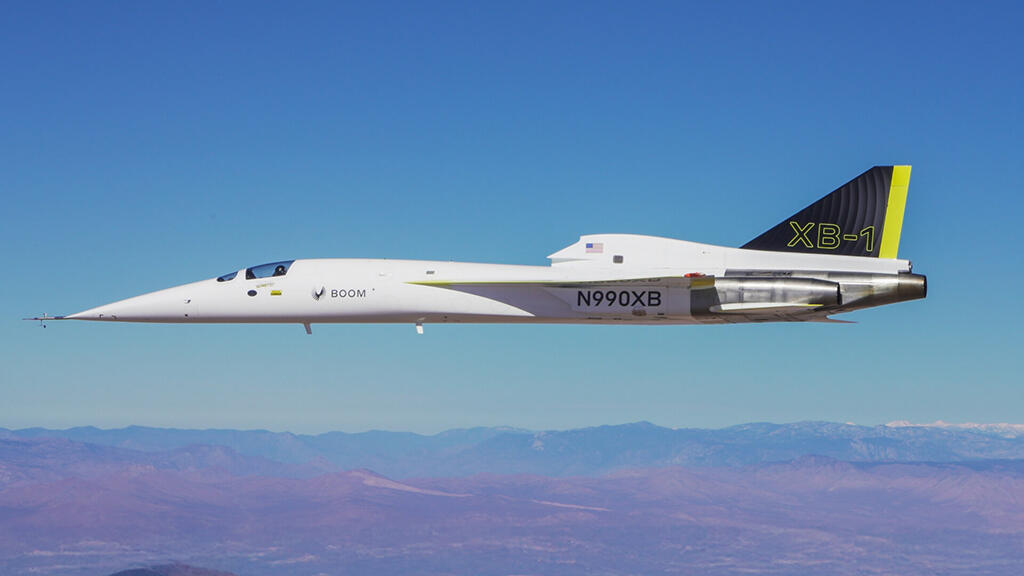
Boom completed the first supersonic flight of its XB-1 demonstrator on Jan. 28, during which the aircraft reached Mach 1.12. Designed to pave the way for Boom’s planned Overture Mach 1.7 airliner, the trijet aircraft completed a second supersonic flight in February and was then retired after a total of 13 flights.
NASA’s X-59 Gets Airborne
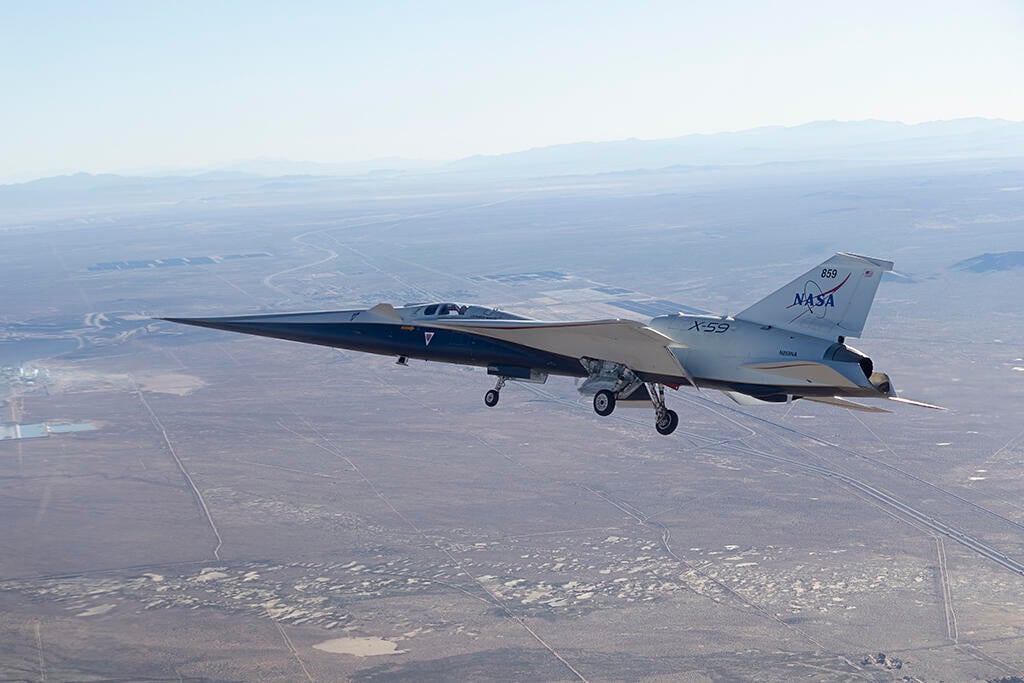
NASA’s Lockheed Martin Skunk Works-built X-59 Quesst low-boom supersonic flight demonstrator made a long-delayed first flight on Oct. 28, flying from Palmdale, California, to Edwards AFB for envelope expansion and acoustic validation flight tests, including inflight measurement of its shaped sonic boom.
U.S. ATC Modernization Takes Off
Spurred by the Jan. 29 fatal midair collision near Washington Reagan National Airport, the Trump administration in May unveiled plans to modernize the U.S. air traffic control system at a cost later set at $31.5 billion. Peraton was named prime integrator in December for the initial three-year, $12.5 billion phase to transition the FAA’s outdated infrastructure from analog to digital with fiber, wireless and satellite communications and new radars, radios and voice switches.
Farewell Spirit AeroSystems
Boeing completed its reacquisition of Spirit AeroSystems on Dec. 8, 20 years after it spun off its Wichita-based operations. Spirit Defense will operate as an independent Boeing subsidiary as will Spirit’s Belfast, Northern Ireland, site, which will return to its original name, Short Brothers. Airbus acquired Spirit operations in France, Morocco, North Carolina, Northern Ireland and Scotland.
As Boeing remained focused on recovery and Airbus encountered delivery headwinds, Embraer saw its commercial sales rise in 2025. Startups made progress, but the funding environment was tough. And a name disappeared from the aerospace roster as Boeing and Airbus took over Spirit AeroSystems.